
How Do You Spell Beautiful: Jewelry’s Alphabet
Introduction: The Spelling Bee We All Secretly Love
"How do you spell beautiful?" The question instantly triggers that unforgettable scene from Akeelah and the Bee, where “b-e-a-u-t-i-f-u-l” becomes more than just a word—it becomes a moment of triumph, clarity, and self-expression. But today, let’s twist the question: What if we could wear the word “beautiful” instead of just spelling it? What if each letter shimmered not in ink, but in gold, silver, and gemstone sparkle?
Welcome to a different kind of spelling bee—one lined with pearl earrings, engraved rings, shimmering necklaces, and charm-laden bracelets. In this world, the alphabet of beauty is not limited to letters; it’s written in the elegant language of jewelry. Here, “B” stands for brilliance, “E” for elegance, “A” for artistry—and the rest? Well, let’s find out together.

What Does “Beautiful” Mean in Jewelry?
Before we can spell it, we have to understand it. Beauty, especially in the context of jewelry, is far from skin-deep.Beauty in gemstones and jewelry is a combination of brilliance, symmetry, proportion, and personal relevance. That last part? That’s the magic.
Jewelry isn’t just about status or sparkle. It’s about identity. A necklace can whisper heritage. A ring can announce love—or reclaim independence. Earrings can punctuate confidence. A bracelet might simply say, “I remember who I am.” The materials—gold, platinum, pearls, diamonds—are just the ink. The real sentence? That’s yours to write.
“The emotional connection to jewelry often transcends its monetary value,” highlights that pieces worn daily often become part of one’s signature style—much like a beloved phrase or melody.
So yes, beauty can be spelled with a diamond solitaire. Or a stack of mismatched silver bangles. Or a grandmother’s locket. Jewelry is how we inscribe meaning onto ourselves without saying a word.
Why Jewelry? The Psychology of Ornamentation
From Cleopatra’s emeralds to Harry Styles’ pearls, jewelry has long been more than ornamentation—it’s armor, expression, and narrative rolled into one.
An article of Fashion is Psychology indicated that the psychology behind jewelry wearing and found that people who regularly wear jewelry often cite self-confidence and emotional grounding as reasons. “My necklace is like a hug,” one participant said. “It’s not expensive, but it’s mine.”
Why does jewelry have this power? For one, it’s tactile. You can touch it, twist it, adjust it—a physical comfort in chaotic times. Second, it lasts. Unlike makeup or even clothing, jewelry is made to endure. And third, it reflects light. Literally. Whether it’s a faceted garnet or polished gold, jewelry catches the eye—because it’s designed to catch something deeper: your presence.
Furthermore, there’s a cultural psychology at play. Across societies, jewelry often marks life’s turning points—graduations, engagements, anniversaries, rites of passage. Anthropologists note that in many traditions, receiving jewelry isn’t just about adornment; it’s about acceptance into a new chapter of life. The bracelet given to a young girl on her sixteenth birthday in Mexico, the jade pendant passed from grandmother to granddaughter in China, the signet ring awarded to a graduate in Europe—these are not random tokens. They are tangible acknowledgments of transformation. Jewelry, in this way, is a shared language across civilizations, one where beauty is inseparable from meaning.

How to Spell “Beautiful” with Jewelry: A Journey Through Adornment
Let’s dive into the alphabet of adornment and examine how different types of jewelry spell out individual expressions of beauty—elegantly, authentically, and unapologetically.
Necklaces: The Signature Sentence
Necklaces are often the first thing people notice—and for good reason. They frame the face, bridge the neckline, and offer storytelling space right over the heart.
Take the rise of dainty gold initial necklaces. They’re personal, minimal, and often gifted with love. According to research, even something as small as a pendant’s finish (matte vs. polished) affects how light is reflected, subtly influencing perceived quality and style. A satin finish, for example, softens light, giving an intimate glow.
Fun fact: During the 2022 Oscars, multiple celebrities layered fine chain necklaces with statement chokers—a trend that originated from the 1990s but has returned with grown-up flair. As always, fashion loves a comeback. So does beauty.
In fact, necklace trends also reveal how people choose to “punctuate” their self-expression. A bold gemstone collar necklace can command attention in a boardroom, while a barely-there chain can whisper intimacy during a candlelit dinner. The choice isn’t trivial—it’s a conscious or subconscious decision about how loudly you want your beauty to speak at that moment.
Rings: The Full Stop or Exclamation Mark
Rings, in all their circular symbolism, are punctuation for the hands. They can denote commitment (wedding bands), celebration (birthstone rings), or just plain fun (cocktail rings from a wild night out).
A great example is the vintage sapphire engagement ring—yes, like Princess Diana’s and now Kate Middleton’s. GIA states that sapphires symbolize fidelity and sincerity, making them a romantic alternative to diamonds. Plus, they come in various colors, which means your spelling of “beautiful” can be in blue, pink, or even teal.
Or maybe you wear a bold signet ring engraved with your initials—because spelling your name is the most powerful spell there is.

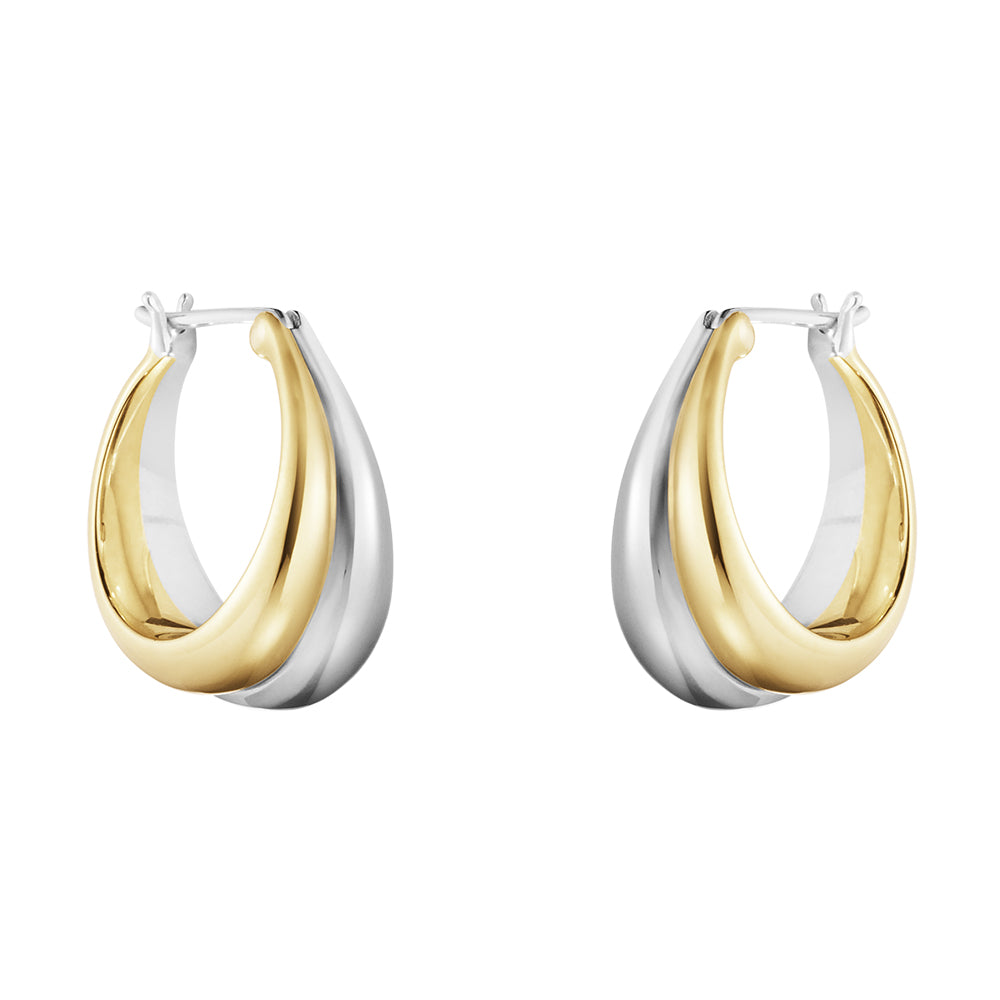
Earrings: Beauty in Parentheses
Earrings whisper elegance. They frame the face like delicate parentheses, drawing attention to your eyes, jawline, and even the way you turn your head when laughing at your own joke (which you absolutely should do more often).
They also act as the most “immediate” jewelry—sitting close to the face, earrings interact with your expressions in real time. That’s why certain earring styles, such as diamond studs or pearl drops, have endured for centuries; they complement a human smile in a way few other objects can.
Pearl drop earrings are classic—timeless, really. But not all pearls are created equal. The nacre thickness and surface quality of pearls significantly affect both durability and luster. A high-quality pearl reflects light with a soft inner glow, almost like moonlight on skin.
Today’s designers are blending pearls with edgy metals—like pearl-threaded ear cuffs—spelling “beautiful” in a sentence that reads: “I’m soft, but I bite.”
Bracelets: The Em-dash of Emotion
Bracelets are the em-dash of your outfit—versatile, slightly dramatic, and often filled with hidden meaning. They can be stacked, singular, loose, snug, engraved, beaded, or bound in leather. They're as poetic as they are playful.
Charm bracelets, especially those featuring custom birthstones, are seeing a nostalgic resurgence. According to Jewelers of America’s 2024 style forecast, “personalized gemstone jewelry” ranks in the top five categories for consumer interest. Why? Because people want jewelry that talks back—a dialogue between who they are, were, and hope to be.
And every charm is a letter in the sentence spelling your story.

The Modern Alphabet: Beauty Trends Worth Knowing
We can’t talk about spelling beautiful without checking what’s trending on the jewelry scene. A few current highlights:
Lab-Grown Diamonds: According to GIA, lab-grown diamonds are chemically identical to natural ones, offering sustainability without sacrificing sparkle. They’re rewriting the definition of luxury.
Genderless Jewelry: From Tiffany’s unisex collections to smaller indie brands, jewelry is breaking binaries. As Harry Styles, Bad Bunny, and even Barbie (in her latest cinematic outing) have shown—jewelry is for everyone.
Recycled Metals & Ethical Gems: More designers are sourcing ethically-mined stones and using recycled gold and silver, answering the modern call for beauty with conscience.
What’s striking about these trends is how they mirror larger cultural conversations. The rise of lab-grown diamonds parallels the tech world’s fascination with innovation that feels organic. The embrace of genderless jewelry echoes broader movements toward identity fluidity and inclusivity. And the shift toward recycled metals? That’s the fashion industry learning to spell “beautiful” with an added “R” for responsibility. These trends don’t just reshape aesthetics—they reshape values, proving that modern beauty is as much about ethics as it is about elegance.
Conclusion: Your Jewelry, Your Dictionary
So, how do you spell beautiful?
Maybe it’s with a minimalist rose gold chain that barely brushes your collarbone. Or maybe it’s with a maximalist ear party that defies gravity. Maybe it’s a wedding ring with stories carved deep into the metal. Or maybe it’s a bracelet your mother gave you when she said, “This is yours now.”
Whatever it is, you spell beautiful every day. Not with letters. But with choices—delicate, bold, shimmering, and real. Jewelry is your personal dictionary of beauty, constantly rewritten, always radiant.
And as far as spelling bees go, this one’s a win.

FAQ: Frequently Adorned Questions
Q1: What type of jewelry suits my face shape best?
A: Those with round faces may find angular drop earrings elongate their features, while oval-faced individuals can wear just about anything. But ultimately, the best jewelry is what makes you feel radiant.
Q2: Are lab-grown diamonds real?
A: Yes. As per the Gemological Institute of America (GIA), lab-grown diamonds are optically and chemically identical to mined diamonds. They are just created in a lab under controlled conditions rather than in the Earth’s mantle.
Q3: How should I store my jewelry to keep it from tarnishing?
A: Keep pieces in separate pouches or lined boxes, away from sunlight and moisture. Use anti-tarnish strips for silver. Avoid leaving your jewelry in humid bathrooms or near perfumes.
Q4: What’s the most meaningful type of jewelry to gift?
A: Personalized pieces—like engraved rings, initial necklaces, or birthstone bracelets—carry emotional weight. According to Jewelers of America, jewelry that symbolizes personal connection has enduring appeal.
Q5: Is it okay to mix metals in one outfit?
A: Absolutely. Mixing metals is not just okay—it’s encouraged. Pairing gold, rose gold, and silver can create a layered, curated look. The modern trend favors intentional contrast.

Call to Action
At Relaxfeel Fashion, we believe that beauty is more than skin-deep—it’s something you wear, cherish, and celebrate. Our curated collection of dainty necklaces, meaningful rings, elegant earrings, and personalized bracelets is designed to help you spell your own kind of beautiful—one shimmering letter at a time.
Browse our newest arrivals and let your story shine.
How Much Does It Cost to Resize a Ring?
Why Solitaire Engagement Rings Remain Timeless
Related Posts

Halo Engagement Rings: Everything You Should Know

Vintage Engagement Rings: A Guide to Classic Styles

How to Choose the Perfect Wedding Band

Minimalist Jewelry Trends for Everyday Style

Oval Diamond Rings: Style, Meaning, and Buying Guide

Engagement Ring Metals Explained: Gold vs Platinum