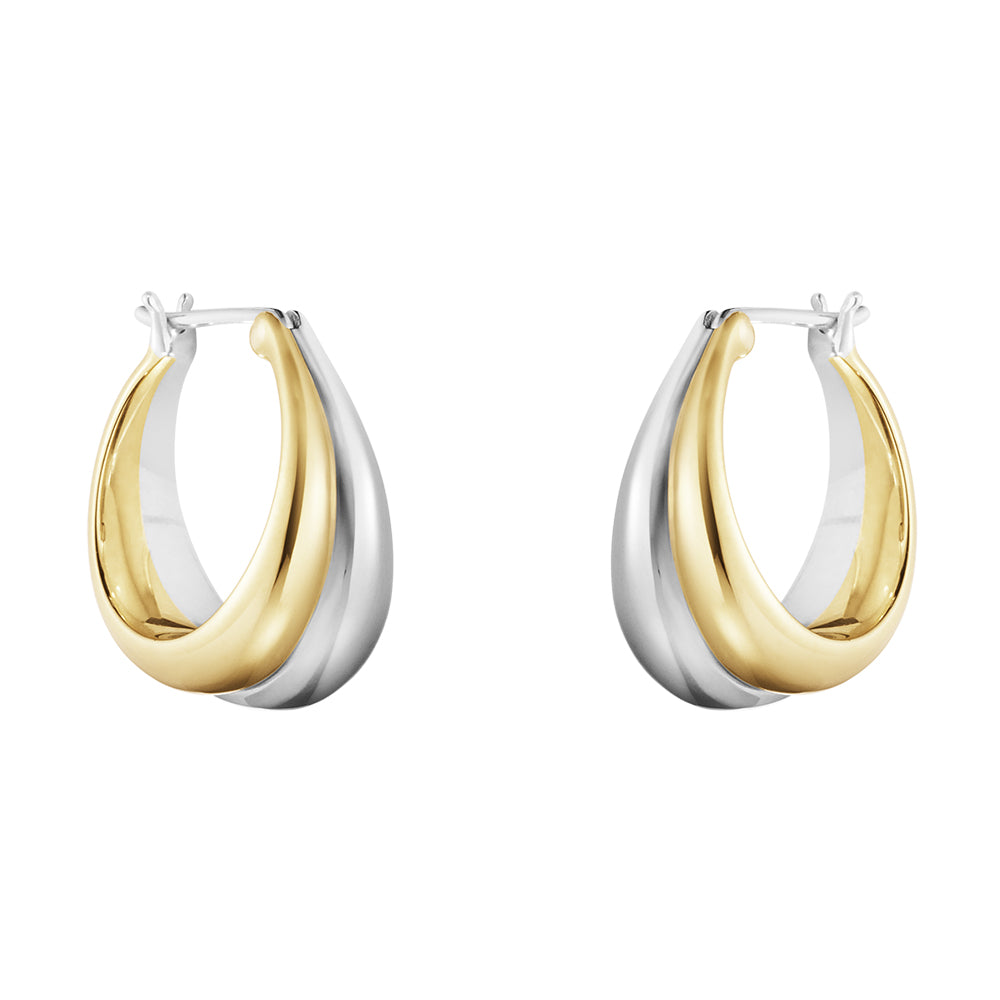

Engagement Ring Metals Explained: Gold vs Platinum
Choosing the right metal for your engagement ring is one of the most important decisions you'll make — and it's one that often gets overlooked in favor of the diamond or gemstone. When it comes to engagement ring metals, the debate almost always comes down to two front-runners: gold and platinum. Both are beautiful, both are durable, but they are not interchangeable. Understanding the real differences will help you choose a ring that looks stunning, fits your lifestyle, and holds up for decades to come.
Why the Metal You Choose Matters
The metal of your engagement ring affects far more than just appearance. It determines how the ring wears over time, how much maintenance it requires, how it interacts with sensitive skin, and what it will cost you — both now and down the road. Many couples focus entirely on the center stone and treat the metal as an afterthought. That's a mistake. The metal is the foundation of the ring, and getting it right makes every difference.
Gold Engagement Rings: What You Need to Know
Gold has been the standard for engagement rings for centuries. It's warm, classic, and available in a variety of colors to suit different styles and skin tones. However, not all gold is the same, and knowing the differences is key to making a smart purchase.
Gold Purity: Understanding Karats
Gold jewelry is measured in karats, which tells you how much pure gold is in the alloy. The most common options for engagement rings are:
- 14K Gold: Contains 58.3% pure gold. This is the most popular choice in the US because it balances durability, affordability, and beauty. It's harder than higher karat options, which means it resists scratches and daily wear well.
- 18K Gold: Contains 75% pure gold. It has a richer color and is slightly softer than 14K. It's a great option if you want a more luxurious feel and don't mind a bit more care.
- 24K Gold: Pure gold. Too soft for everyday jewelry and not typically used for engagement rings.
Gold Colors for Engagement Rings
One of gold's biggest advantages is the variety of colors it comes in. The most popular choices are:
- Yellow Gold: The most traditional option. It complements warmer skin tones beautifully and pairs well with vintage-inspired designs.
- White Gold: Achieved by alloying gold with metals like palladium or nickel and then applying a rhodium plating. It has a bright, silvery look similar to platinum and suits modern and minimalist styles.
- Rose Gold: A romantic, pinkish tone created by mixing gold with copper. It has surged in popularity over the past decade and flatters nearly every skin tone.
Pros and Cons of Gold
- Pros: More affordable than platinum, available in multiple colors, easy to resize, widely available
- Cons: White gold requires re-plating over time, can cause reactions if nickel is present, softer metals scratch more easily
Platinum Engagement Rings: What You Need to Know
Platinum is the premium choice for engagement ring metals, and for good reason. It's one of the rarest metals on Earth, and it brings a distinct set of qualities that gold simply cannot match.
What Makes Platinum Different
Platinum is naturally white — there is no plating involved. Its color stays consistent over a lifetime without any need for re-coating. It is also denser and heavier than gold, which gives platinum rings a satisfying, substantial feel on the finger. Most platinum jewelry is 95% pure platinum, far higher in purity than even 18K gold.
Platinum and Durability
Platinum is extremely durable, but it behaves differently from gold when it scratches. Rather than losing metal, platinum displaces it — the metal moves slightly but doesn't wear away. This means the ring develops a natural patina over time. Some people love this look; others prefer to have their ring polished to restore its original bright finish. Either way, the metal itself is not lost, which is a significant long-term advantage.
Pros and Cons of Platinum
- Pros: Naturally white, hypoallergenic, extremely durable, no re-plating needed, prestigious feel
- Cons: More expensive than gold, heavier on the finger, develops patina over time, harder to resize
Gold vs Platinum: Side-by-Side Comparison
When comparing these two engagement ring metals directly, here's a practical breakdown to help guide your decision:
- Price: Gold is significantly more affordable. Platinum can cost 40–60% more for a similar ring.
- Maintenance: White gold requires rhodium re-plating every one to two years. Platinum requires only occasional polishing.
- Skin Sensitivity: Platinum is hypoallergenic. Some white gold alloys contain nickel, which can irritate sensitive skin. Always check the alloy composition.
- Weight: Platinum is noticeably heavier. Some wearers love the feel; others prefer lighter gold.
- Appearance: Both can look similar in photographs, but platinum has a cooler, brighter white tone compared to white gold.
- Longevity: Both metals last a lifetime with proper care, but platinum requires less upkeep over the long term.
Common Mistakes to Avoid When Choosing Engagement Ring Metals
Many shoppers make avoidable errors when selecting their ring metal. Here are the most common ones to watch out for:
- Choosing white gold without knowing about replating: White gold's rhodium coating fades over time. If you want a low-maintenance ring, platinum is the better investment.
- Ignoring skin sensitivity: Some white gold alloys contain nickel. If you or your partner has sensitive skin, always ask about the alloy composition or choose platinum.
- Prioritizing price alone: Going with the cheapest option without considering long-term maintenance costs can mean spending more over time. A platinum ring may cost more upfront but less to maintain.
- Overlooking lifestyle factors: If your partner works with their hands or is very active, metal durability should be a top consideration.
Expert Tips for Choosing the Right Metal
- If budget is your primary concern, 14K white gold gives you a beautiful white look at a fraction of the platinum price.
- If longevity and low maintenance are priorities, platinum is worth the investment.
- For a warm, romantic look, yellow or rose gold in 14K or 18K is timeless and stylish.
- Always ask your jeweler about the specific alloy — not just the karat or metal name.
- Consider your partner's lifestyle and daily habits before making a final decision.
Frequently Asked Questions
Is platinum better than gold for an engagement ring?
Not necessarily better — it depends on your priorities. Platinum offers superior durability and requires less maintenance, but it costs significantly more. Gold provides more color options and is easier on the budget. Both are excellent choices when selected thoughtfully.
Does white gold turn yellow over time?
Yes. White gold has a rhodium coating that can wear off over time, revealing the slightly yellowish gold alloy underneath. This is normal and easy to fix — your jeweler can re-plate the ring for a modest fee, typically every one to two years.
Is platinum hypoallergenic?
Yes. Platinum is one of the most hypoallergenic metals available for jewelry. It contains no nickel, making it an excellent choice for people with metal sensitivities or allergies.
What karat gold is best for an engagement ring?
14K gold is the most recommended option for everyday rings in the US. It offers the best balance of durability, beauty, and affordability. 18K is a great choice if you want a richer color and a slightly more luxurious feel.
Can I resize a platinum engagement ring?
Yes, but it's more challenging and often more expensive than resizing a gold ring. Platinum requires specialized tools and expertise. Make sure to work with a jeweler experienced in platinum when resizing is needed.
Making Your Final Decision
Selecting the right metal for an engagement ring comes down to three things: your lifestyle, your budget, and your personal style. Gold offers versatility, warmth, and affordability across multiple colors. Platinum offers unmatched durability, a naturally white finish, and long-term low maintenance. Both are worthy choices when matched to the right person and the right design.
Take the time to compare your options, ask the right questions, and choose a metal that your partner will love wearing every single day. A well-chosen engagement ring metal doesn't just look beautiful on day one — it looks beautiful for a lifetime.
Why Solitaire Engagement Rings Remain Timeless
Oval Diamond Rings: Style, Meaning, and Buying Guide
Related Posts

Halo Engagement Rings: Everything You Should Know

Vintage Engagement Rings: A Guide to Classic Styles

How to Choose the Perfect Wedding Band

Minimalist Jewelry Trends for Everyday Style

Oval Diamond Rings: Style, Meaning, and Buying Guide

Why Solitaire Engagement Rings Remain Timeless